
traffic food
brand sphere
FOOD & BEVERAGE
type of work
BRAND STRATEGY / IDENTITY / PACKAGE DESIGN
year
2025
TRAFFIC STREET FOOD is an urban lifestyle brand. The project rethinks the conventional perception of street food, transforming it from a “quick compromise” into a contemporary urban experience.
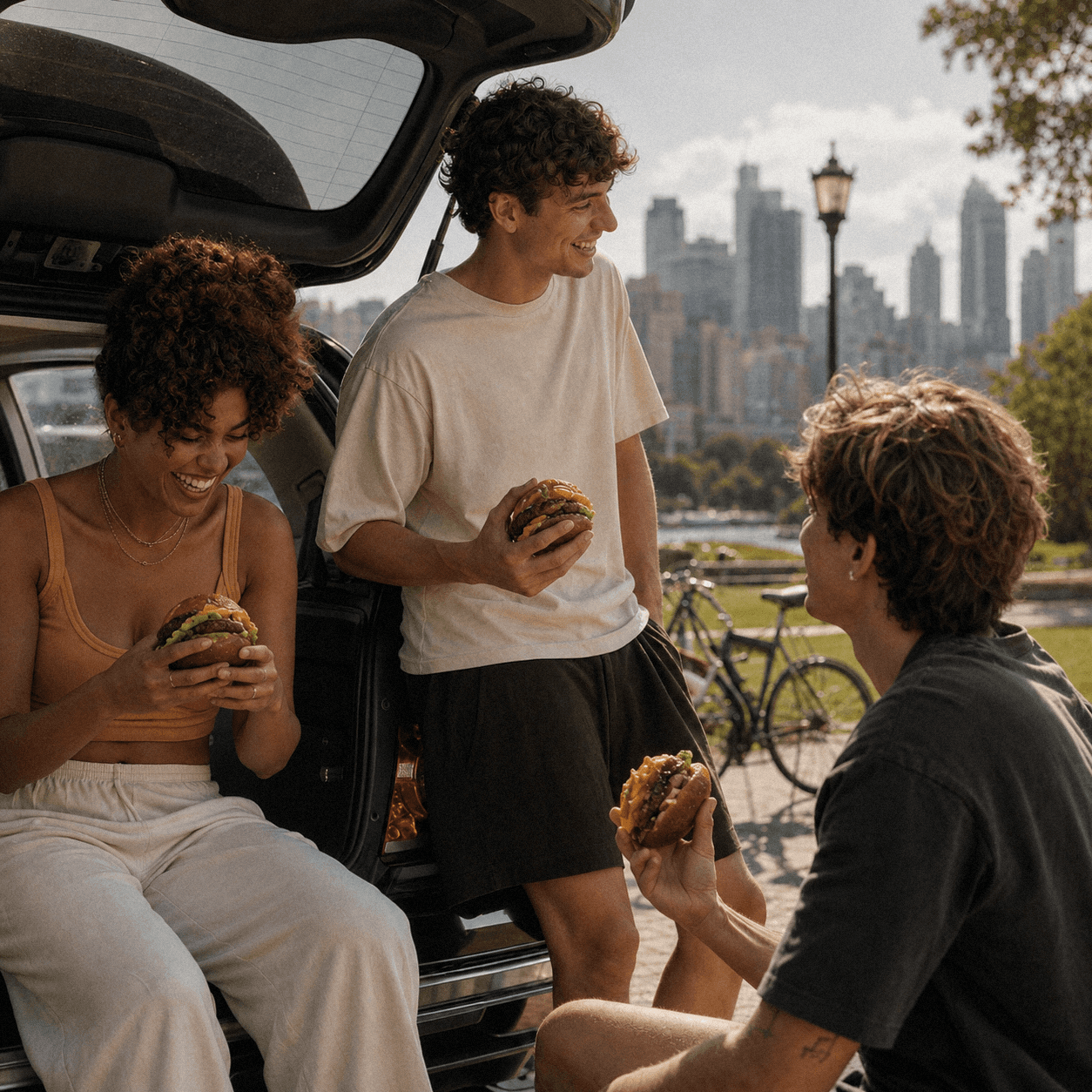
In a fast-paced metropolitan environment, food becomes part of movement — between meetings, commutes, festivals, and everyday routines. Traffic Food is built around the idea of quality without waiting: an honest, accessible, and visually expressive service seamlessly integrated into the urban landscape.
The brand concept is based on a dual nature. On one side, it is a clear, approachable, and reliable city food service; on the other, a more emotional, energetic, and experimental festival format. This contrast became the foundation for the entire visual identity and communication system of the brand.
challenge
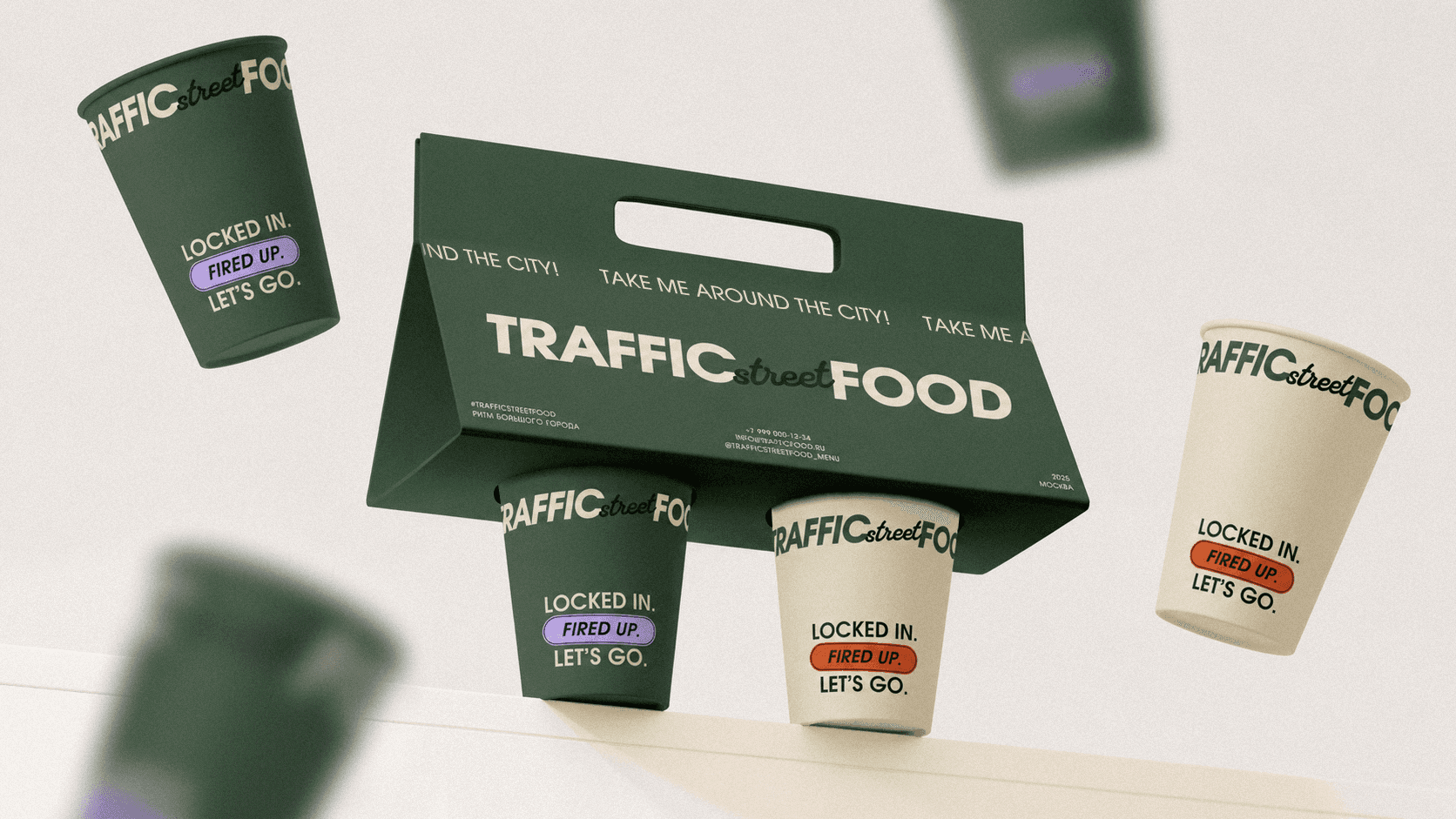
At the beginning of the project, the brand existed only as a name. There was no visual language, positioning, or identity system capable of supporting its ambition to become one of the leading street food brands in the city. At the same time, the business was already operating across multiple formats, including city food trucks, food corners, delivery, and festival activations.
approach
My task was to build the brand from a strategic level — from how it communicates to how it appears on packaging and food truck facades. I needed to create a positioning strong enough to speak to different audience segments without losing a clear brand character, and develop a flexible identity system that could operate in both everyday urban and festival contexts while remaining scalable across future locations and formats.

result
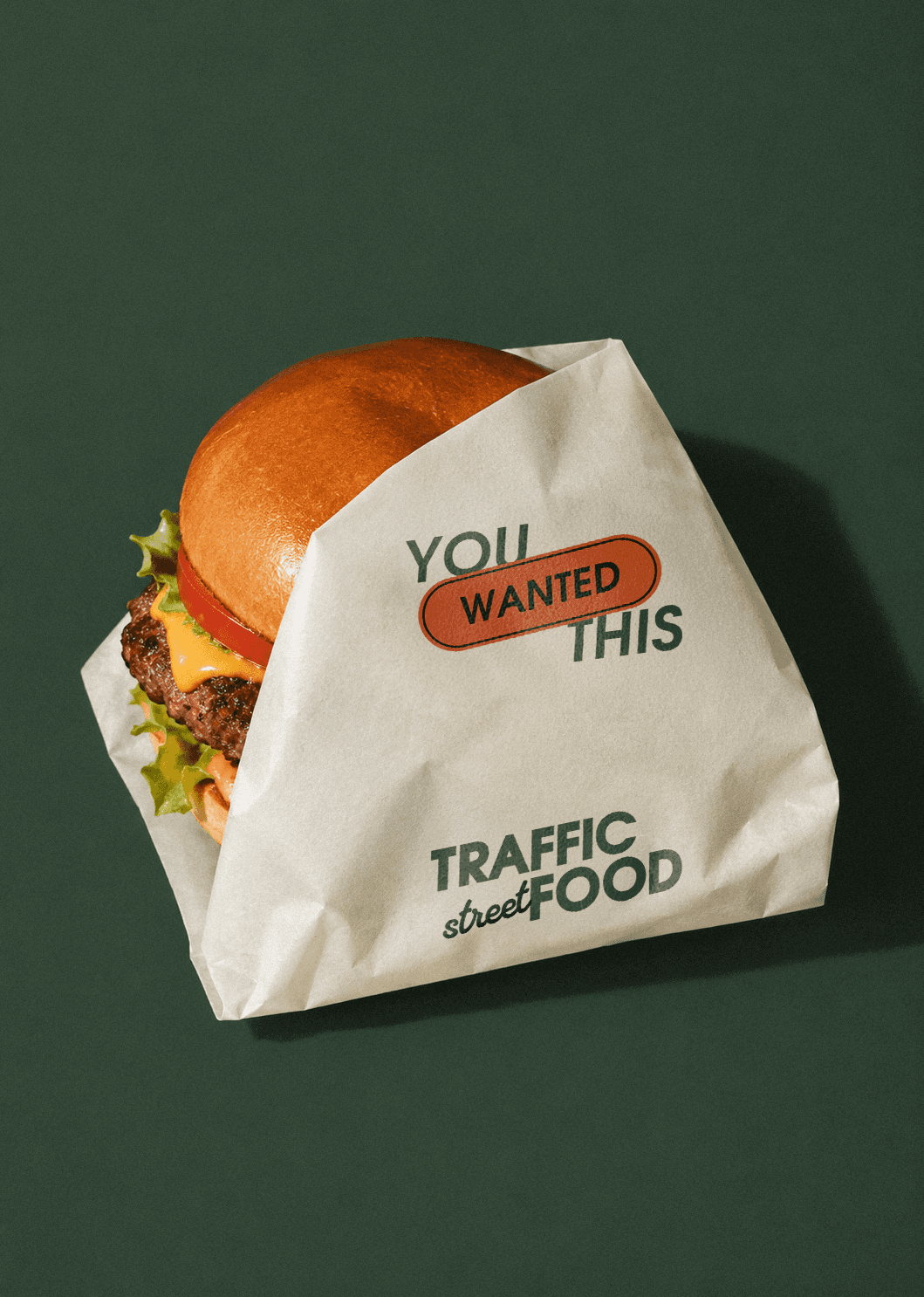
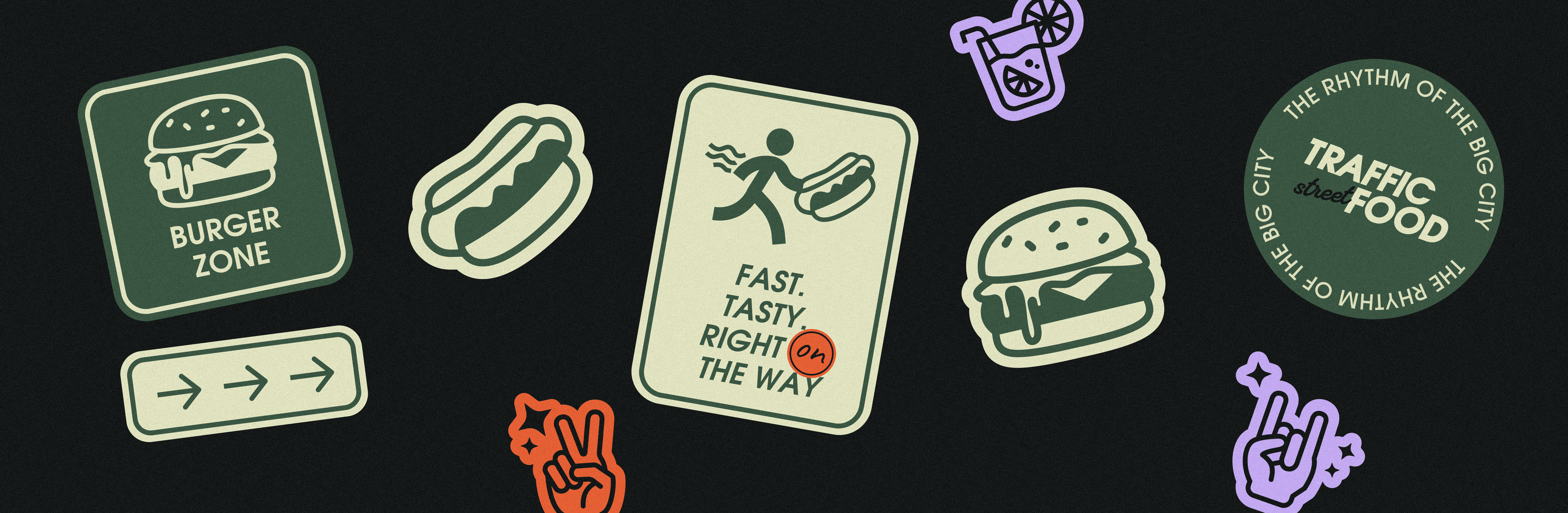
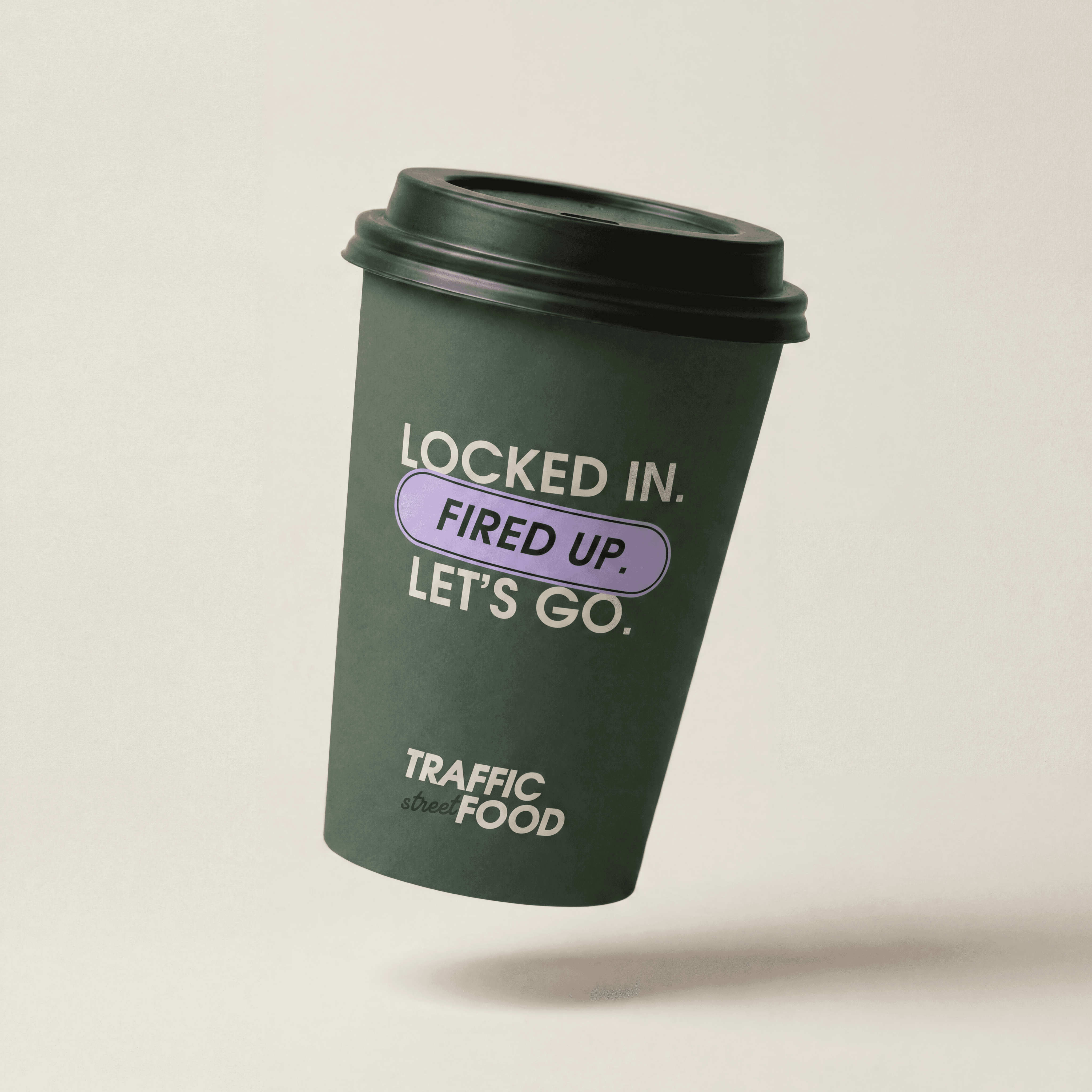
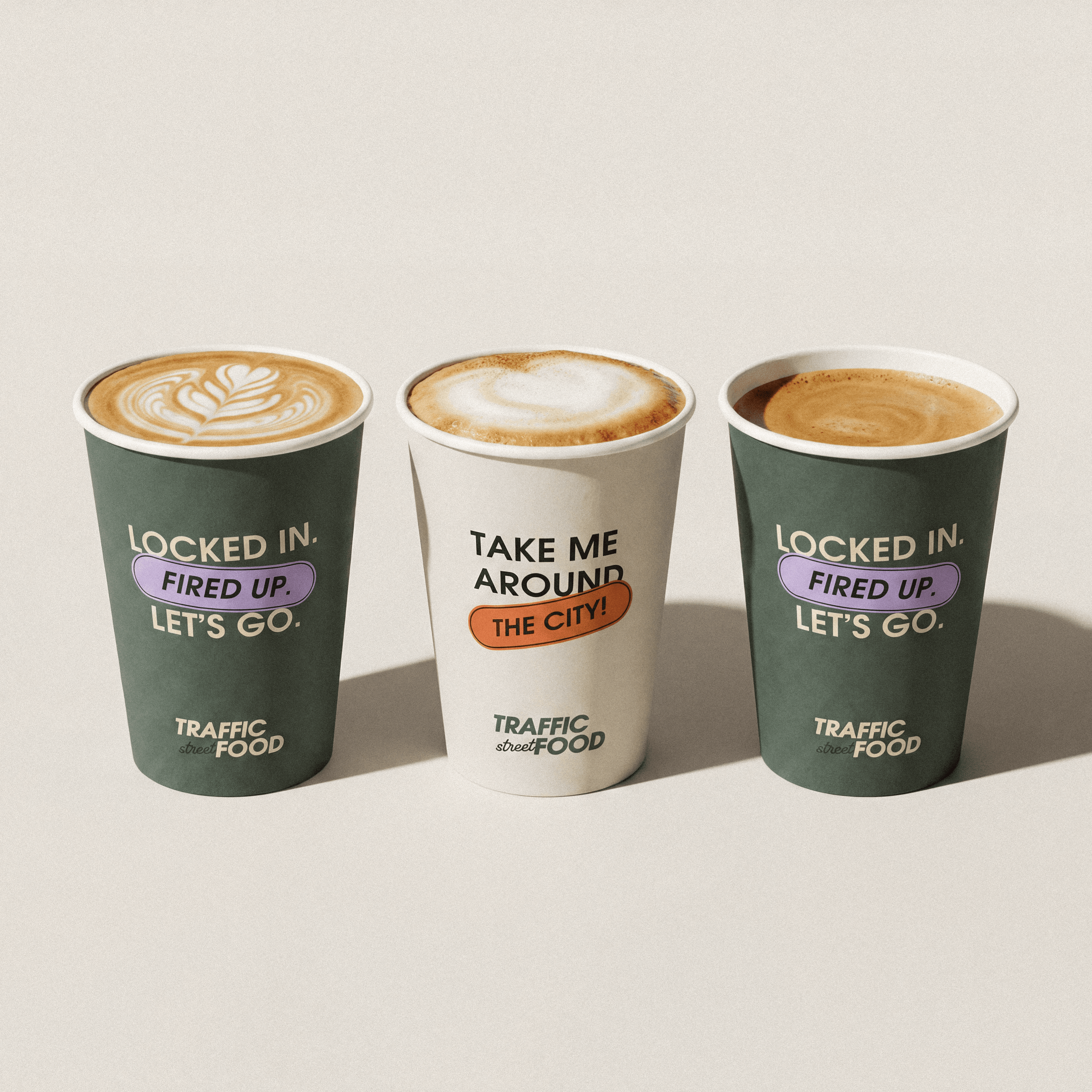
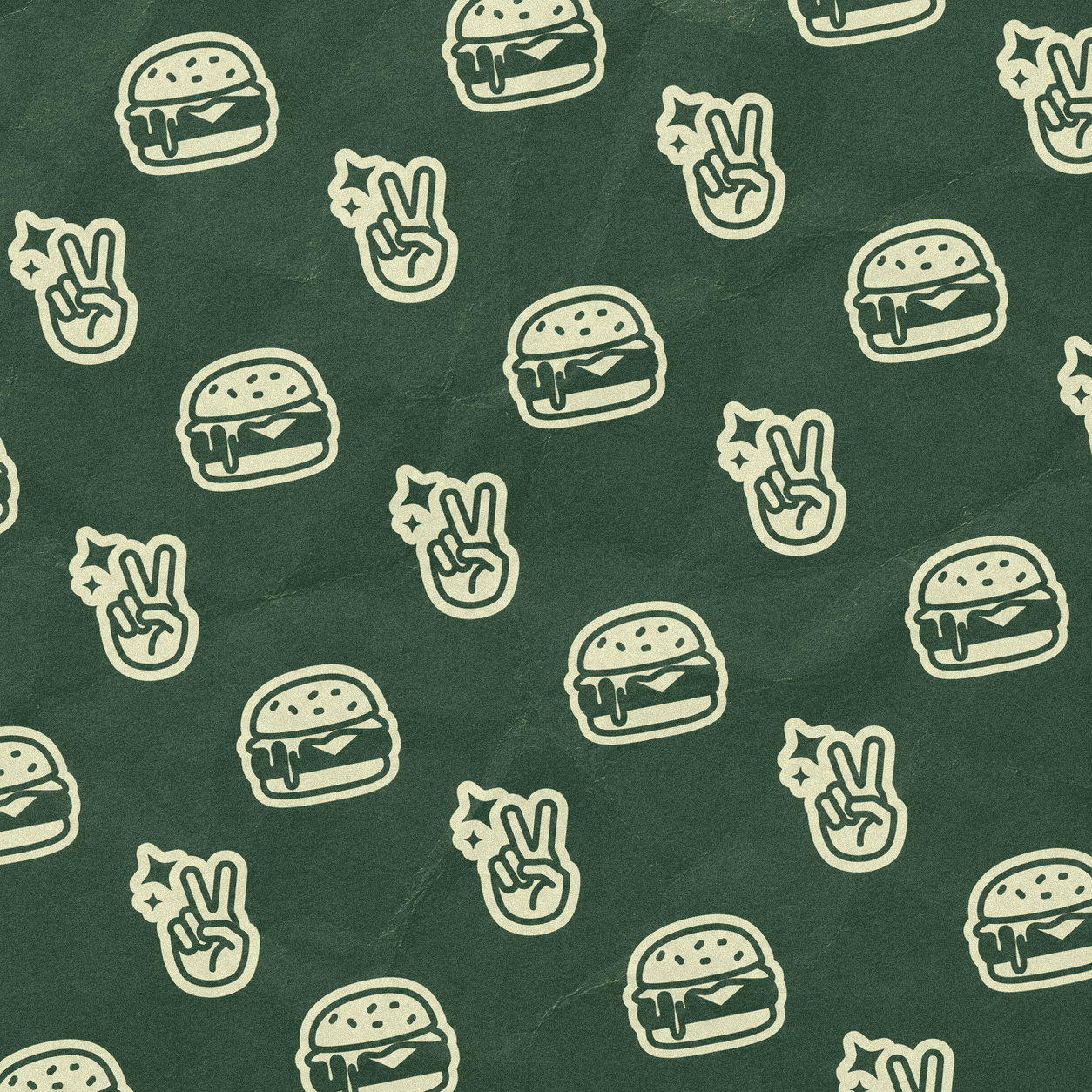
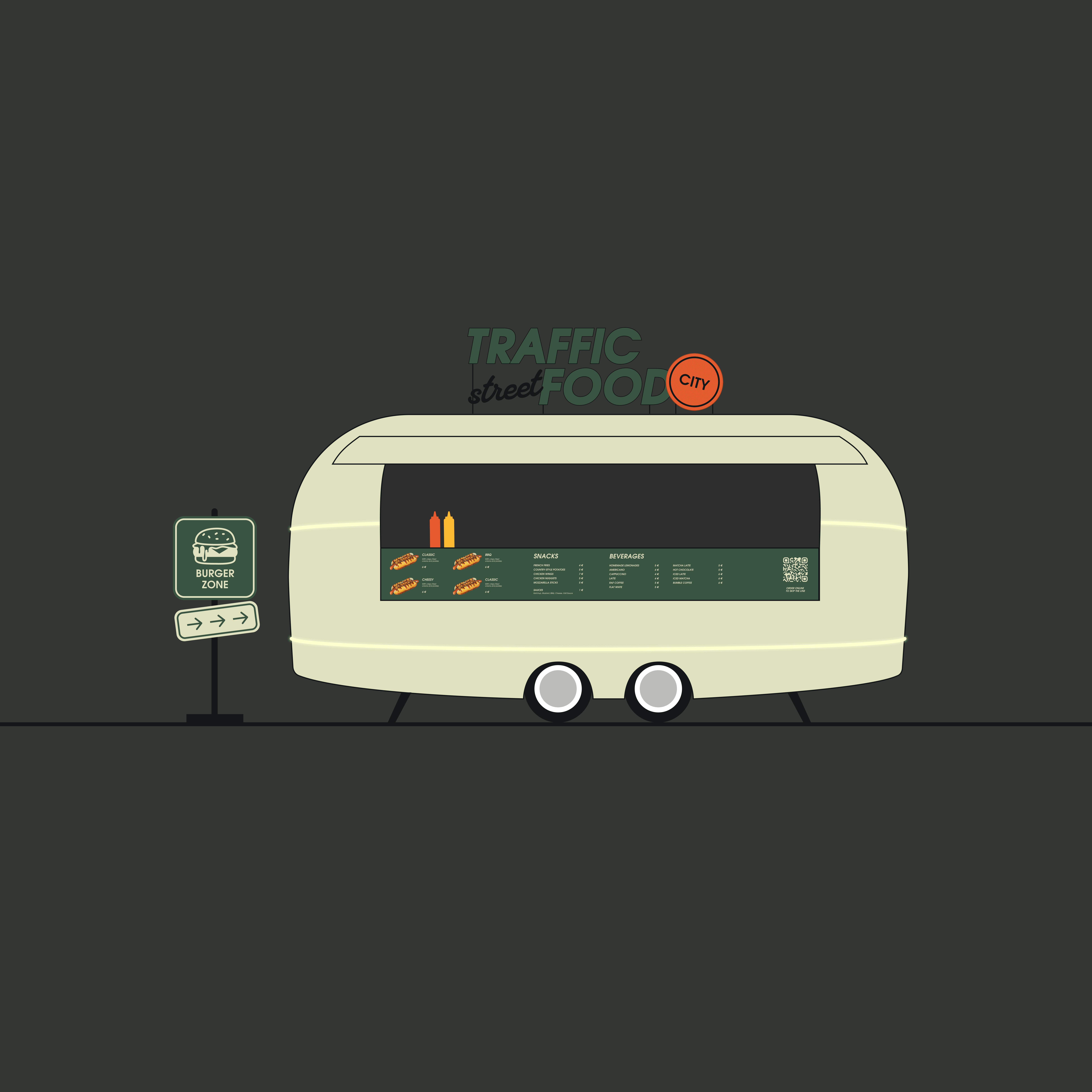
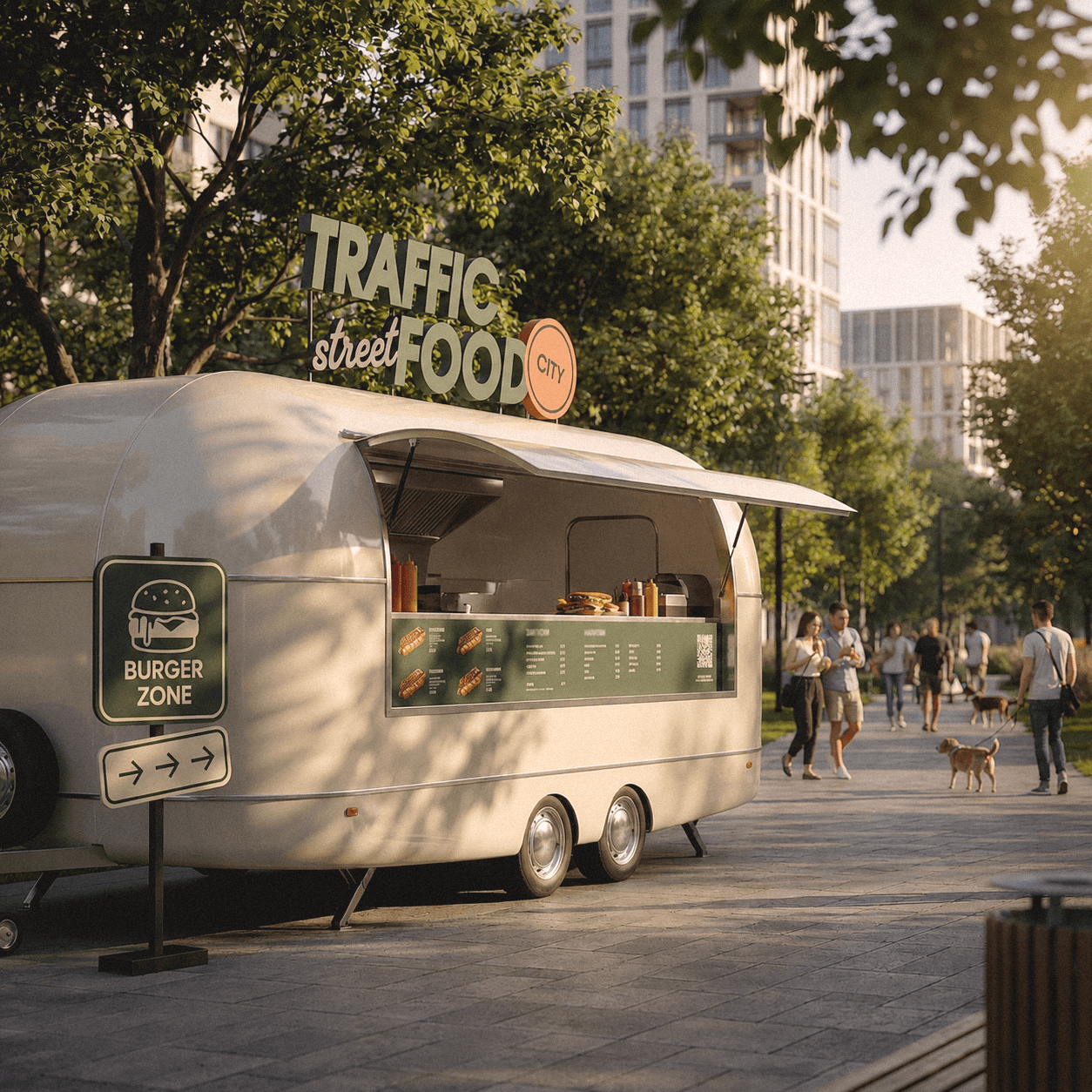
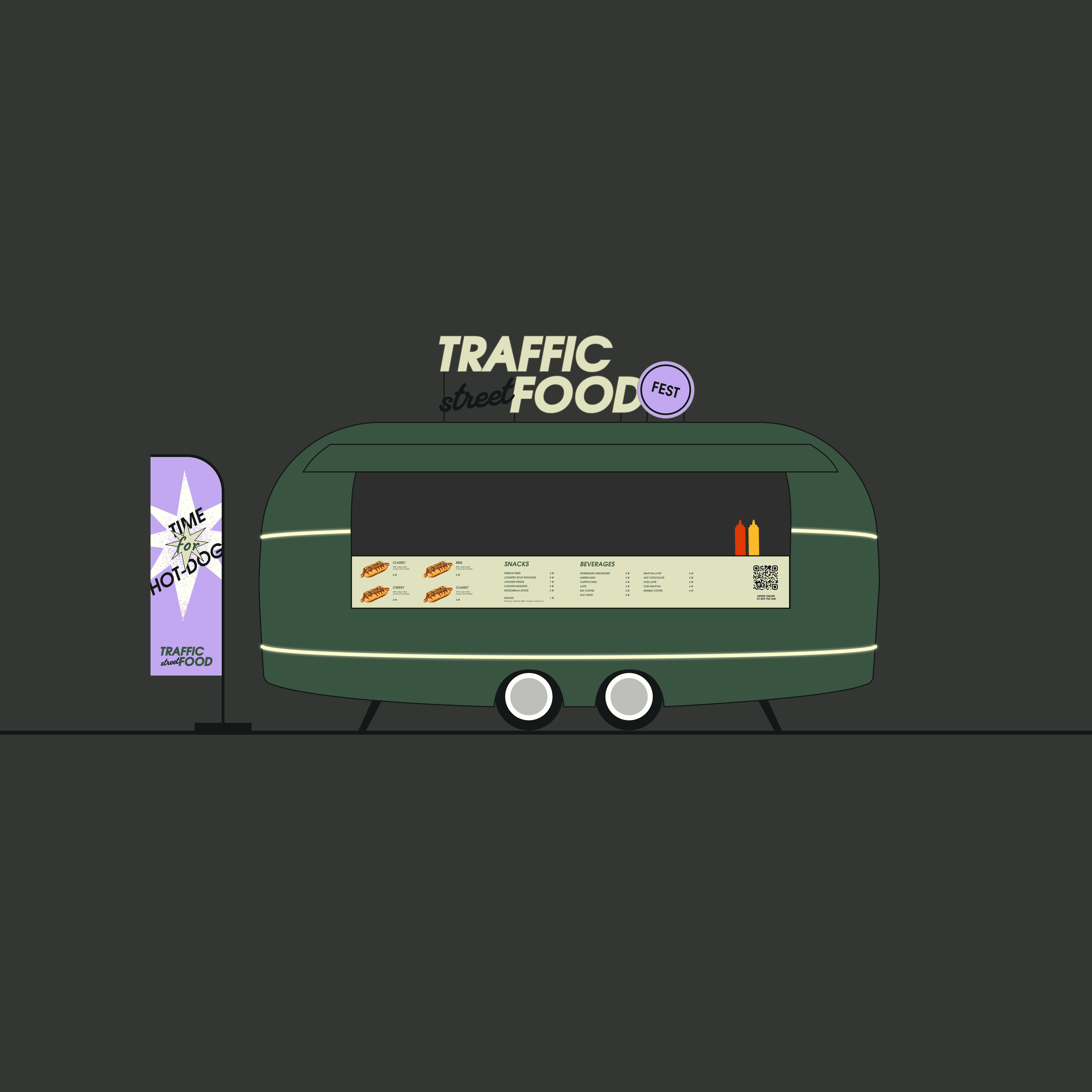
The identity was developed in two distinct directions — City and Fest — each with its own applications and visual behavior. Urban touchpoints use lightboxes and street-sign-inspired elements, while festival environments introduce feather flags and more expressive accents. A unified core system — including the logo, Involve typography, color palette, and branded phrases — ensures consistency, while the expanded framework provides flexibility across food trucks, food corners, delivery services, and events.
Beyond the visual identity, I also developed the tone of voice, branded messaging, and content principles, creating a system in which the brand communicates consistently across both physical and digital touchpoints. New locations, formats, and future activations can be integrated without redesigning the core system.


© 2026 annwe by Anna Baranova
represented by